Founder's Perspectives

Founder's Perspectives
On Test cricket, the slow accumulation of trust, and why the families that endure are the ones playing an entirely different game from everyone else.
I have been watching Test cricket for most of my life, and the thing that strikes me most, even after all this time, is how little the crowd understands what they are actually watching. They cheer boundaries. They groan at dot balls. They grow restless through a careful, scoreless hour of batting that a knowledgeable observer would recognise as some of the most important work in the entire match. The drama of Test cricket is largely invisible to people who have not learned to read it. And the people who have not learned to read it almost always prefer T20.
I find myself thinking about this often when I am sitting across from a family that is anxious about their portfolio, or uncertain about a succession structure, or impatient with a strategy that has not yet produced the visible results they were expecting. The anxiety is real and completely understandable. But what it usually reflects is not a problem with the strategy. It reflects a mismatch between the game being played and the game being watched. They came in expecting T20. Life, and wealth, are Test matches.
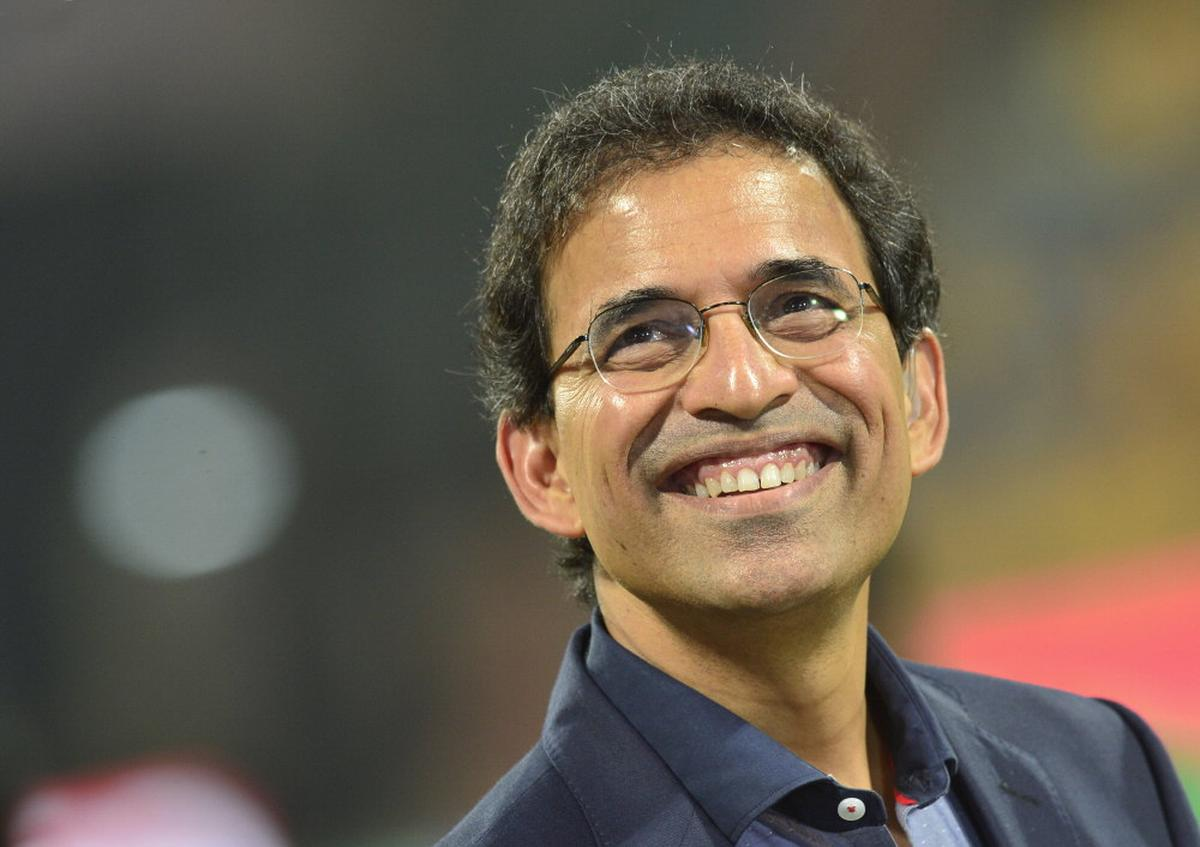
Harsha Bhogle said something that has stayed with me: that life is a Test match, not a T20. It sounds simple when stated that plainly. But the implications of actually living by it, in how you manage a portfolio, how you build a family office, how you approach the question of what wealth is actually for, are considerably more demanding than the analogy suggests.
In a T20, the plan is visible and the feedback is immediate. You know within a few overs whether your approach is working. The crowd tells you. The scoreboard tells you. The entire format is designed around legibility and speed. There is nothing wrong with that as entertainment. But it is a deeply unreliable model for how significant outcomes are actually built. Significant outcomes, in businesses, in investment portfolios, in the raising of the next generation, do not produce legible feedback on short timelines. They require you to act correctly for long stretches without the scoreboard offering you any particular encouragement.
A great Test innings rarely looks like greatness while it is happening. It looks like patience. It looks like dot balls and careful leaves and the quiet accumulation of something that will only reveal its full weight later. The craftsmanship is in staying, not in scoring. And the crowds who cannot sit through it are not wrong to find it difficult. It genuinely is. Watching someone resist the temptation to swing at a ball outside off stump for the fortieth consecutive time requires a specific kind of engagement that our modern environment does not particularly train us for.
The families I have worked with over the years who have genuinely preserved and grown wealth across generations share something that is harder to name than it looks. It is not superior intelligence about markets. It is not access to better products or more sophisticated structures, though those things matter at the margin. What they share is a particular quality of patience that is not passive, it is active, deliberate, and at times requiring real courage to maintain against the pressure of short-term evidence.
They are playing Test cricket in a world that has been entirely reorganised around T20 thinking. Quarterly results. Monthly portfolio reviews. Real-time valuations. The entire architecture of modern financial life is designed to make people feel that not reacting is the same as not managing. It is not. In my experience, the most consequential thing a family can do with its wealth in a volatile period is often to make no change at all, and to make that non-decision with complete conviction rather than anxious resignation.

This is what Wise Wealth means in practice, and it is worth being direct about what it is not. It is not a promise of superior returns or a claim about outperforming benchmarks. It is a philosophy about what wealth is actually for, and how to manage it in a way that serves that purpose across the length of a family’s life rather than across the length of a market cycle.

Clean portfolios over cluttered ones, not because simplicity is fashionable, but because complexity rarely serves the family and almost always serves the intermediary. Quiet discipline over headline-chasing, not because performance does not matter, but it’s because genuine performance announces itself over time and does not require quarterly press releases. Patient capital, not because waiting is virtuous in itself, but because compounding is a mathematical reality that only works when it is left undisturbed. And wealth as a means rather than an end, not as a spiritual aspiration, but as a practical governance principle: families that forget what the wealth is for are the families that eventually lose it.
At Entrust Family Office, our role in this is not to make decisions for the families we work with. It is to help them build the structures, the governance, and the long-term clarity that makes it possible to keep playing the right game even when everything around them is insisting on a different one. That means succession frameworks that are designed for the reality of families rather than the theory of them. It means philanthropic approaches that are integrated into the family’s identity rather than appended to its financial plan. It means conversations about what the next generation is actually being prepared for, not just what they are scheduled to inherit.
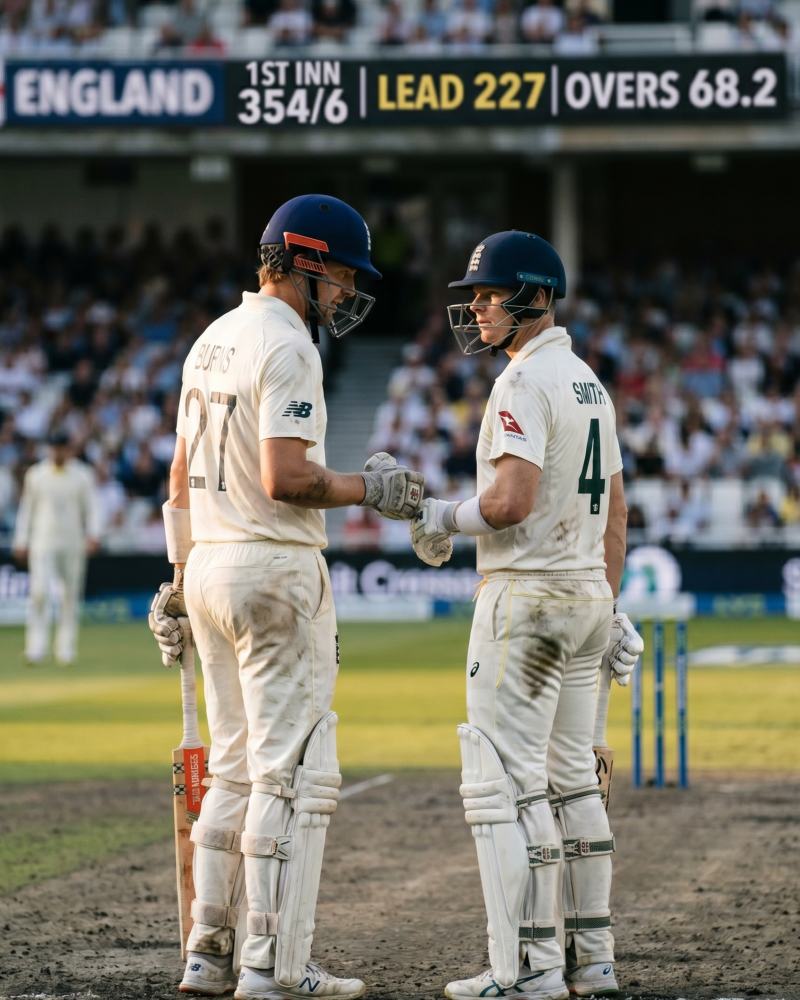
None of this is transactional, and none of it is quick. It is closer to the work of a long-term batting partnership than to the work of a single boundary, the kind of accumulation that changes the nature of a match without any individual moment announcing that the change is happening.
I think about the families I have watched struggle with this, and the ones I have watched get it right, and the honest difference is not wisdom or financial sophistication. It is orientation. The ones who endure have, somewhere along the way, genuinely accepted that they are playing a longer game than most people around them, and that this requires them to be largely indifferent to how the first session looks.
Test cricket has produced some of the most extraordinary things I have ever witnessed in sport. Not because it is faster or louder than other formats. Because it is long enough to reveal character. Great innings and great family legacies have this in common: you cannot fake either of them across five days.
The question worth asking is not how your wealth is performing this quarter. It is what innings you are building, and whether the people around you understand the game well enough to help you play it.
Every decision begins with a belief. We invest because we believe in an opportunity. We build businesses because we believe something can be done better. We prepare the next generation because we believe a legacy can evolve and endure. Those beliefs influence what we do. Our actions then change the circumstances in which we and […]
For a child who cannot hear, the challenge can extend far beyond hearing itself. It can affect how a child communicates, learns, participates in school and connects with the people around them. When support comes late, these challenges can shape a child’s opportunities well into adulthood. But early identification, the right support and an involved […]
The RBI’s 25 bps hike to 5.50% and its move from “neutral” to “calibrated tightening” came as a supply shock from West Asia pushed major central banks in the same direction. Within about a week in September, the ECB, the Fed and the Bank of Japan all raised rates while the Bank of England held […]
signup for updates