Founder's Perspectives

Founder's Perspectives
Warren Buffett spent years preparing the handover. The market still flinched. What that tells us about the gap between planning a succession and people actually accepting one.
On the first of January 2026, Warren Edward Buffett stepped down as Chief Executive of Berkshire Hathaway after sixty years in the role. Greg Abel, who had been publicly identified as the successor for years, took over. The transition was not sudden. It was not contested. It was not accompanied by any of the drama that usually attends large institutional leadership changes. By every structural measure, this was succession done correctly, deliberate, long-prepared, and executed on the founder’s own terms, at a moment of his own choosing.
The market’s response was instructive. Berkshire’s shares have traded at a persistent discount to the S&P 500 since the handover announcement, despite fundamentals that by most measures remain strong. The business has not changed. The strategy has not changed. The capital allocation philosophy that Buffett spent six decades building into the institution’s DNA has not changed. What changed is the name at the top. And markets, it turns out, price that change separately from everything else, assigning a valuation discount not to the business, but to the absence of the person who built it.
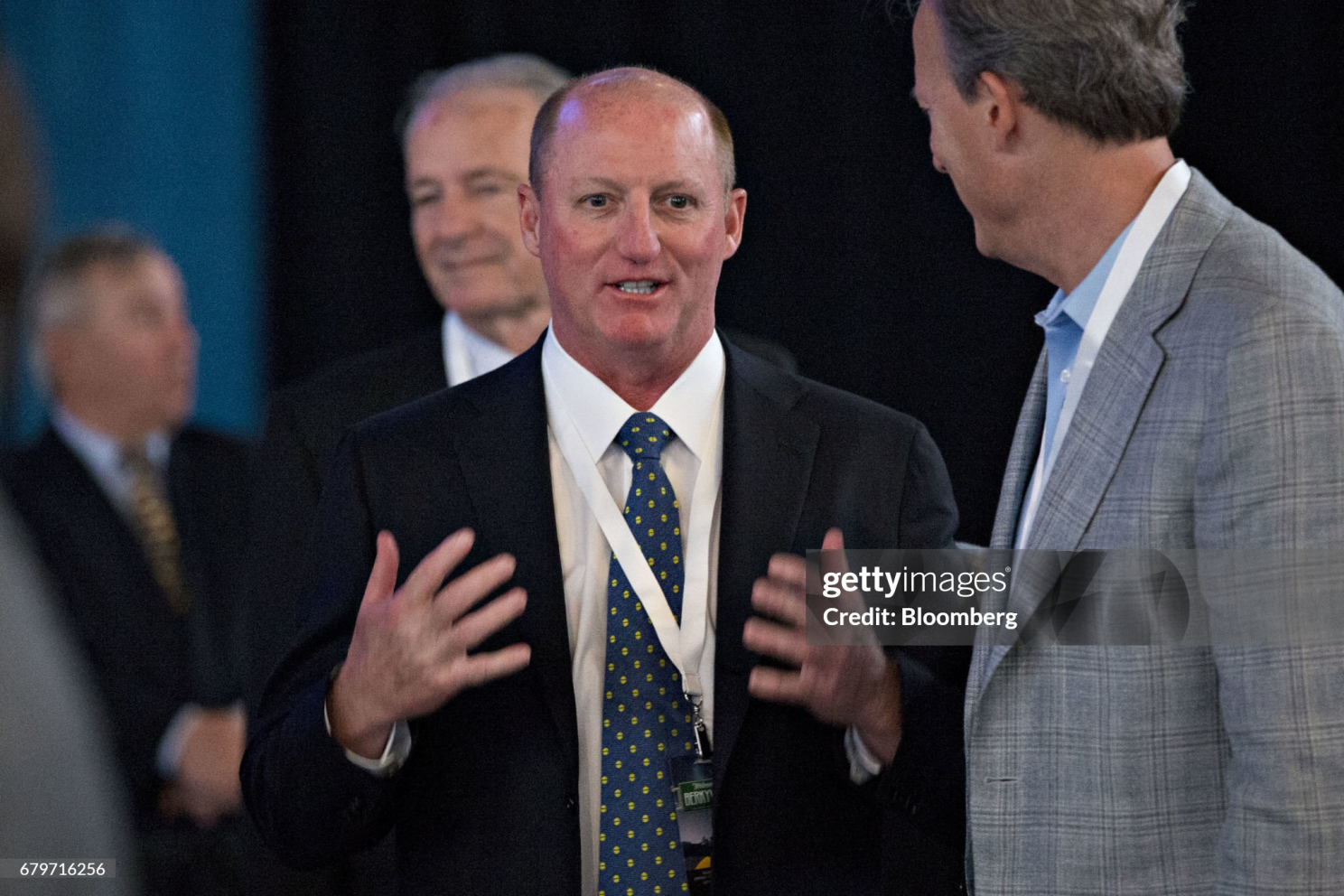
I have been sitting with this for some months now, because I think it is among the most instructive succession stories available to anyone who works with families managing significant wealth. Not because Berkshire is a family business in the conventional sense, but because the dynamic it has exposed is one that plays out in family offices and founder-led enterprises everywhere, including and perhaps especially in India, where a very large number of significant businesses are now approaching their first or second major generational transition. The Berkshire case study is unusual only in its visibility. The underlying pattern is not unusual at all.
It is worth being precise about what Buffett actually did, because the standard narrative tends to either overstate his preparation or understate how difficult what he did actually was. He named Abel publicly and unambiguously. He did not hedge. He did not create a horse race between candidates that would have consumed the institution’s energy and attention for years. He remained available as chairman without, by all accounts, undermining the new CEO’s authority in the way that retained founders often do, consciously or not. He gave the succession clarity, which is rare, and he gave it time, which is rarer. And he did it while still cognitively present and institutionally credible, not under pressure, not at the edge of capacity, but from a position of genuine strength.
By any standard I would apply to a family office succession, this was careful, considered, and structurally sound. It is precisely because it was so well-executed that the market’s continued discount is worth taking seriously. If even this transition, the most prepared, the most clearly communicated, the most institutionally supported succession of a major enterprise in recent memory, still produces a valuation gap, then the explanation cannot be found in the quality of the planning. It has to be found somewhere else.
The somewhere else, I think, is the distinction between intellectual preparation and emotional acceptance, and the degree to which markets, like families, can understand a succession completely and still not trust it fully. Investors know Greg Abel’s record. They know his capabilities. They have had years to observe him operating within the Berkshire structure. The intellectual case for confidence in the transition is available to anyone who has done the reading. What the succession discount reflects is not a shortage of information. It is the specific, deeply human difficulty of transferring trust that was built around a person rather than around a system.
Buffett’s value to Berkshire was never only operational. It was reputational in a very particular sense, not just the reputation of competence, which can be transferred, but the reputation of a specific kind of judgment, accumulated over sixty years of visible decision-making, that investors had learned to rely on as a signal in itself. When Buffett acted, it told people something. When Abel acts, even identically and correctly, it does not yet carry the same signal weight. That signal weight is built through time and through the experience of watching someone be right across a full range of conditions. It cannot be assigned. It cannot be inherited. It has to be earned, from the beginning, by the person doing the job.

This is the part of succession that almost no planning framework adequately addresses, because it is not a planning problem. No document, no governance structure, no carefully staged handover process eliminates the period during which a new leader is accumulating the trust that the previous one took decades to build. That period is simply a feature of transitions, and the only honest thing to say about it is that it takes as long as it takes, and attempting to shorten it through communication or performance tends to be less effective than simply doing the job well for long enough that the signal weight begins to accumulate on its own.
In my work with founders and the families around them, the conversations about succession are rarely primarily about who is next. Most founders have, by the time the conversation becomes serious, a reasonably clear view of who among the next generation or the professional team is best suited to lead. The harder conversation is about something the planning frameworks do not have a section for: the founder’s genuine emotional readiness to no longer be the person whose judgment the institution is organised around.
This is not vanity, though it is sometimes described that way. It is something more structural. A founder who has built a significant enterprise has, over decades, developed a deep and largely accurate understanding of how the institution works, what it needs, and where the bodies are buried. That understanding is real and valuable, and the instinct to remain available to it is not irrational. The problem is that availability, even well-intentioned availability, tends to create ambiguity about where the authority actually sits. And ambiguity about authority is one of the most reliably destructive forces in a transitioning organisation, because it prevents the successor from accumulating the decision-making credibility they need to build the trust that will eventually make the transition real.
The families that navigate this most successfully are the ones where the founder has been honest, privately and then structurally, about the difference between staying connected to the institution and staying in control of it. These are not the same thing. A founder can remain a source of wisdom, a sounding board, a holder of institutional memory, and a genuine resource for the person who follows, without remaining the implicit final authority on consequential decisions. But getting to that position requires a quality of self-awareness and a willingness to sit with the discomfort of reduced centrality that is genuinely difficult, and that no governance document can substitute for.
India is approaching a succession moment at scale. A very large number of the significant enterprises and family offices built in the 1970s, 80s, and 90s are now approaching their first or second major leadership transition. The founders are in their sixties and seventies. The next generation has in many cases been identified and in some cases is already operationally involved. The structural preparation, in the better-run families, has been done or is underway. What has not, in most cases, been done, because it is the hardest thing and the one most resistant to being structured, is the emotional work of the founder genuinely accepting that the institution’s future does not require their continued centrality to it.

The Berkshire succession discount is a market’s way of expressing something that is true of almost every major transition: the gap between the announcement of a handover and the full acceptance of it is not closed by planning. It is closed by time, by the successor’s demonstrated judgment across real conditions, and by the predecessor’s genuine willingness to let the new signal accumulate without competing with the old one. Buffett appears to understand this. He has stepped back from the annual shareholder meeting. He has remained chairman without, by observable evidence, using the chairmanship to undercut Abel’s authority. These are not small things. They are the hardest part of succession for most founders, and the fact that he has managed them with apparent grace is, in the long view, as significant as any of the structural preparation that preceded the handover.
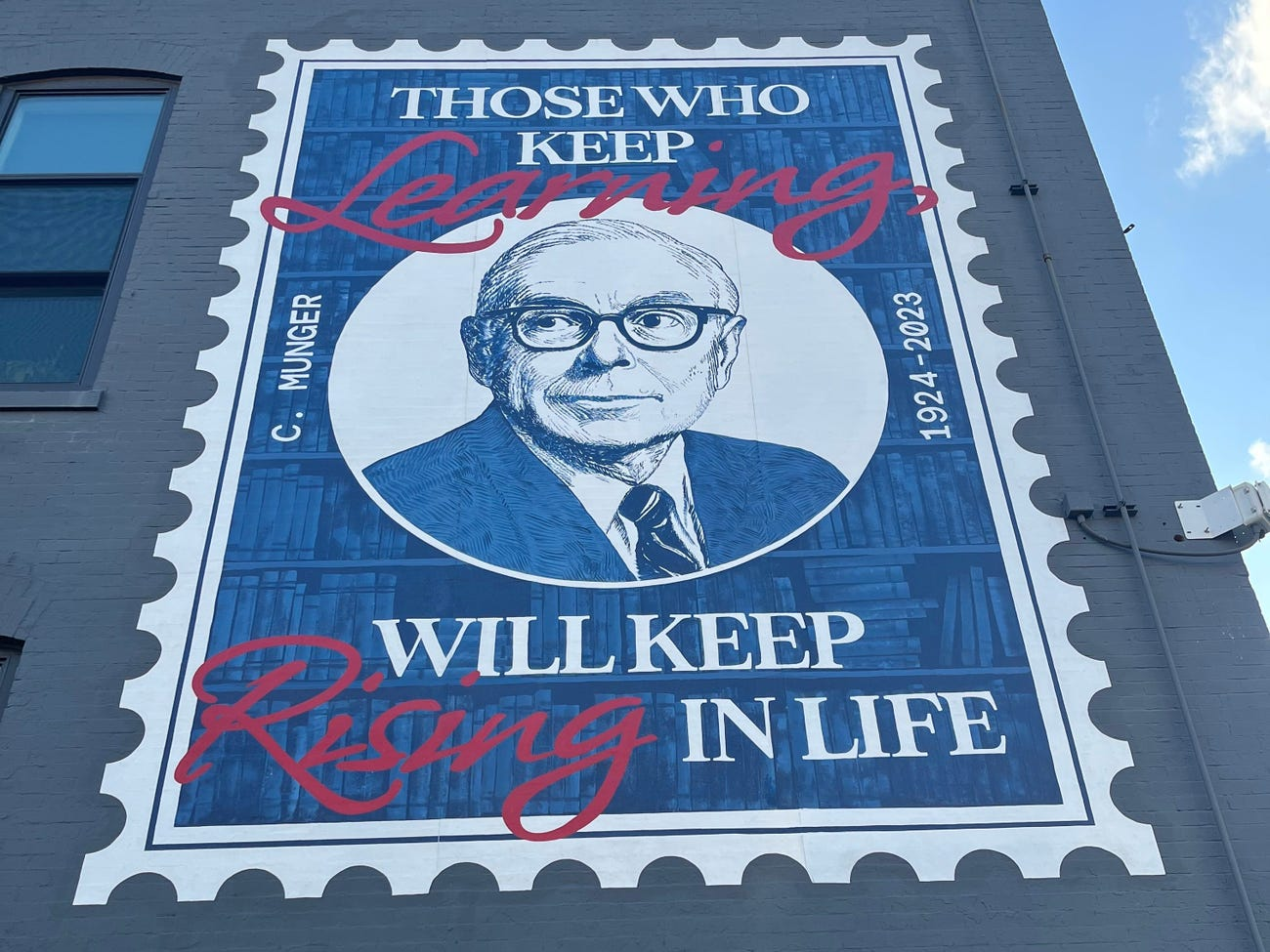
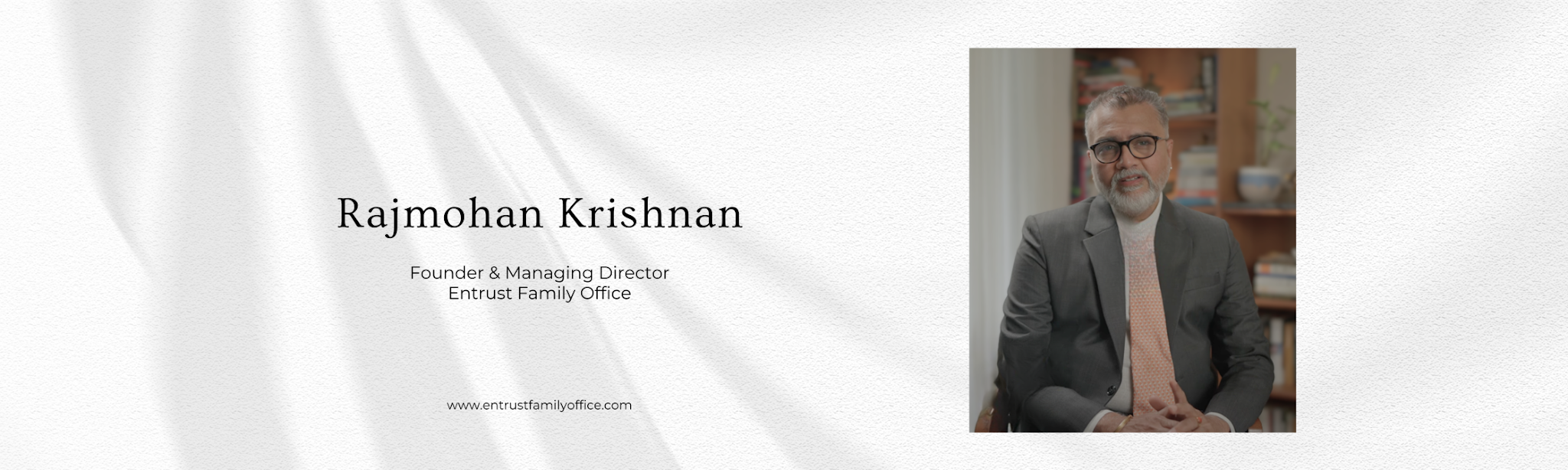
The lesson I take from this, for the work we do with families at Entrust, is not about planning better. Most of the families we work with who are approaching succession have done adequate or better than adequate planning. The lesson is about the conversation that planning cannot replace: the founder sitting with the genuine question of what it means for the institution to continue without them at its centre, and arriving, with honesty and some difficulty, at the answer that it does not just continue, that it is supposed to.
Trust built around a person is among the most valuable things a founder creates. It is also, by its nature, non-transferable by appointment. The successor has to build their own version of it, and the founder’s most important final act is creating the conditions in which that building can actually happen.
Every decision begins with a belief. We invest because we believe in an opportunity. We build businesses because we believe something can be done better. We prepare the next generation because we believe a legacy can evolve and endure. Those beliefs influence what we do. Our actions then change the circumstances in which we and […]
For a child who cannot hear, the challenge can extend far beyond hearing itself. It can affect how a child communicates, learns, participates in school and connects with the people around them. When support comes late, these challenges can shape a child’s opportunities well into adulthood. But early identification, the right support and an involved […]
The RBI’s 25 bps hike to 5.50% and its move from “neutral” to “calibrated tightening” came as a supply shock from West Asia pushed major central banks in the same direction. Within about a week in September, the ECB, the Fed and the Bank of Japan all raised rates while the Bank of England held […]
signup for updates